Ningbo Xufeng Solar Energy Co., Ltd.

Bifacial Solar Panel

Bifacial Solar Panels for Wholesale and OEM Projects


Bifacial Solar Panels are photovoltaic modules that can generate electricity from both the front and rear sides. Xufeng supplies bifacial, transparent, semi-transparent, double-glass and BIPV module configurations for wholesale and OEM projects, with module dimensions, electrical specifications, glass structure and connection details configurable according to project requirements.


  • Transparent Solar Cells

    Transparent Solar Cells

    Transparent Bifacial Solar Panel combines semi-transparent photovoltaic design with two-sided light absorption for applications where energy generation and light transmission need to be considered...

    Add to Inquiry
  • Semi Transparent Solar Panels

    Semi Transparent Solar Panels

    Semi-Transparent Bifacial Solar Panels are photovoltaic modules developed for building-integrated applications where electricity generation needs to be combined with daylight transmission. The...

    Add to Inquiry
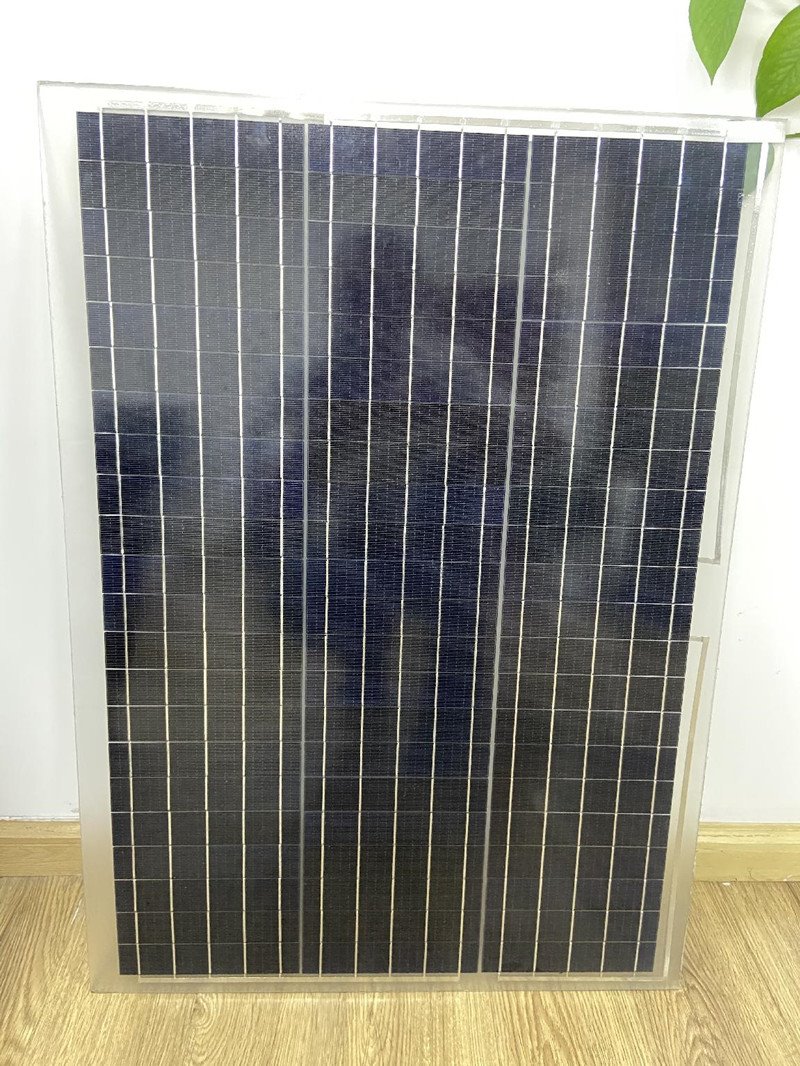
  • Double Glass Solar Panel

    Double Glass Solar Panel

    Double Glass BIPV Solar Panels use tempered glass on both the front and rear sides of the module, providing an enclosed glass-glass structure for photovoltaic applications. The structure can be...

    Add to Inquiry
 
Bifacial Solar Panel Types

Glass-Glass Bifacial Panels

Glass is used on both sides, providing a direct rear-side light path to bifacial cells. Suitable for projects requiring a glass-based structure and rear-side light access.


Glass-Transparent Backsheet Panels

A transparent backsheet allows light to reach the rear side of bifacial cells without using rear glass. This option can be considered when rear-side light transmission and module weight or structural requirements need to be balanced.

Framed Bifacial Panels

A frame provides a defined mounting edge for racking and protects the module perimeter. Frame material, color and mounting details can be specified according to the installation structure.

Frameless Bifacial Panels

A frameless structure removes the conventional external frame and can be used where module appearance, weight or mounting requirements call for a different construction.


Transparent & Semi-Transparent Bifacial Panels

Transparent Module Structure

Part of the incident light passes through the module while the bifacial cells generate electricity. Transparency is determined by the cell layout, spacing, glass and overall module structure.

Semi-Transparent Configuration

Controlled spacing between cells provides a balance between light transmission and photovoltaic output. Required transparency and electrical output should be specified together.

Cell Spacing

Cell spacing affects both the open area for light transmission and the available cell area for power generation. The spacing can be reviewed according to the required visual and electrical specifications.

Custom Appearance

For BIPV and architectural projects, module dimensions, cell layout, glass structure and visual requirements can be specified as part of the OEM design rather than selecting a module by wattage alone.


Transparent Solar Cells


How to Select the Right Bifacial Solar Panel

Check the Installation Structure
Identify the mounting type and available rear-side space first. Ground, rooftop, canopy, building-integrated and vertical installations provide different conditions for rear-side light access.


Select the Module Construction
Choose glass/glass or glass/transparent backsheet according to the required structure and rear-side light transmission. Match framed or frameless construction with the mounting system.


Confirm Electrical Requirements
Specify rated power, operating voltage, operating current and system voltage to match the controller, inverter or battery system. Electrical parameters should be confirmed before production.


Define Transparency Requirements
For transparent or semi-transparent modules, specify light transmission, cell spacing, dimensions and target power together. Wattage alone does not define whether the module meets the project's visual and structural requirements.


Applications of Bifacial Solar Panels


Ground-Mounted Solar Systems

Ground-mounted systems provide rear-side light access. Consider ground reflectivity, module height and row spacing when planning the layout.

01

Commercial Rooftops

Elevated rooftop mounting can provide rear-side light exposure. Check roof reflectivity, module-to-roof clearance and mounting structure.

02

Solar Canopies and Parking Structures

Open canopy structures allow light to reach the rear surface. Match the module dimensions, mounting method and electrical configuration with the canopy structure.

03

BIPV and Architectural Structures

Transparent or semi-transparent bifacial modules can combine power generation with controlled light transmission. Key specifications include module size, cell spacing, glass construction and appearance.

04

Vertical and Special Structures

Vertical and elevated installations can expose both module surfaces to different light conditions. Layout and mounting design should maintain sufficient access to both sides.

05


How Bifacial Solar Panels Work

Front-Side Light

The front side receives direct and diffuse sunlight, with electrical output determined by the module's cell and electrical configuration.

Rear-Side Light

The rear side captures reflected and diffuse light from the ground, roof and surrounding surfaces. Bifacial cells convert this additional irradiance into electrical output.

Bifacial Cell Design

Bifacial cells generate power from both surfaces. The module must also provide an effective optical path to the rear cells; dual-glass construction alone does not make a module bifacial.

Rear-Side Exposure

Rear-side output depends on the installation environment. Mounting height, structure, surrounding surfaces and shading determine how much light reaches the rear cells.


What Affects Rear-Side Energy Gain

Surface Albedo
Reflective surfaces can increase rear-side irradiance, while dark or low-reflectivity surfaces provide less reflected light. Consider the ground or roof surface when evaluating bifacial performance.


Module Height and Clearance
Adequate clearance allows more light to reach the rear side. Modules installed close to the roof or ground may receive less rear-side irradiance.


Rear-Side Shading
Rails, brackets, cables and other components can block the rear cells. Keep rear-side obstructions to a minimum when planning the mounting structure.


Row Spacing and Surroundings
Closely spaced rows and nearby structures can reduce rear-side light and create shading. Consider row spacing, surrounding structures and both front- and rear-side light access.


Weather and Surface Conditions
Snow, gravel, concrete and other surface conditions can change rear-side irradiance. Evaluate expected bifacial gain based on the actual installation environment rather than a fixed percentage.

Double Glass Solar Panel


OEM & Custom Bifacial Solar Panel Options


Customization Item

OEM Options / Scope

Key Points for Confirmation

Module Dimensions

Custom module length and width

Confirm the available mounting area, equipment structure, and required dimensions before prototype production.

Electrical Configuration

Rated power, voltage, current and cell configuration

Electrical parameters should be matched to the intended system and confirmed before prototype production.

Transparent & Cell Layout

Cell spacing, cell layout and transparency level

For transparent or semi-transparent modules, specify the required balance between light transmission and photovoltaic output.

Glass, Backsheet & Frame

Glass/glass, transparent backsheet, framed or frameless structures

Structure and materials should be selected according to mounting conditions, appearance requirements and mechanical design.

OEM Identification & Packaging

Logo, product label, nameplate, packaging and related documents

OEM identification and packaging requirements should be confirmed before mass production.


Installation of Bifacial Solar Panels

Maintain Rear-Side Light Access
Leave sufficient space behind the module for reflected and diffuse light to reach the rear cells. Avoid structural components that block active rear-cell areas.


Match the Racking System
Check module dimensions, frame type, mounting holes and weight against the selected racking system. Frameless and framed modules may require different mounting methods.

Check the Installation Surface

Assess roof condition, ground stability and supporting structures before installation. Ensure the mounting surface meets applicable structural requirements.

Plan Cable and Junction Box Position

Check cable routing and junction box placement to avoid blocking the rear surface or interfering with the mounting structure. Follow the module specifications for electrical connections.

Confirm Local Structural Requirements

Verify wind load, snow load, temperature range and applicable electrical codes for the project location. Final mounting design should follow local conditions and relevant standards.


Manufacturing Capability & Quality Control
 

Solar Module Manufacturing Experience

Founded in 2003, Ningbo Xufeng Solar Energy Co., Ltd. operates a 6,500 m² factory specializing in small and medium-sized solar modules, including standard and customized configurations.

Production & Inspection

Production covers material preparation, cell interconnection, layup, lamination, assembly and final inspection. Quality checks include EL testing, power testing and visual inspection to verify cell condition, connections and electrical output.

Quality Management

The factory maintains ISO 9001 certification, with quality control covering incoming materials, production stages and finished modules.


OEM Production Support

With 50 employees, including 15 non-front-line staff and 4 R&D personnel, the factory supports OEM projects based on required dimensions, electrical specifications, materials, module structure and packaging.


FAQ


Q: What is the MOQ for bifacial solar panel orders?

A: MOQ can be discussed according to the module specification, customization level and production requirements. Small trial orders can be confirmed separately.

Q: Can I order samples before placing a bulk order?

A: Yes. Samples can be arranged for specification and construction review before bulk production. Sample cost and shipping terms can be confirmed with the order details.

Q: What is the typical lead time for bifacial solar panel production?

A: Standard orders generally require around 15–25 days after specifications and order details are confirmed. Customized modules may require additional time for prototype and material preparation.

Q: What payment terms are available for wholesale orders?

A: Payment terms can be discussed according to order value, production arrangement and cooperation terms. The specific payment schedule should be confirmed before production.

Q: Can you provide a pre-production sample for OEM orders?

A: For customized orders, a prototype or pre-production sample can be arranged when needed to check dimensions, appearance, electrical specifications and other agreed details before mass production.

Q: What documents can be provided with a bifacial solar panel order?

A: Available documents can include product specifications, test records and other order-related technical documents. The required document list can be confirmed according to the project and destination market.

As one of the most professional bifacial solar panel suppliers in China, our products have good reputation in the market. Please rest assured to buy bulk premium bifacial solar panel in stock here from our factory. For price consultation, contact us.

goTop

(0/10)

clearall